



【Seminar】Organelle homeostasis of the ER through crosstalk among proteostasis, redox regulation and calcium homeostasis
Date
Location
Description
■Speaker■
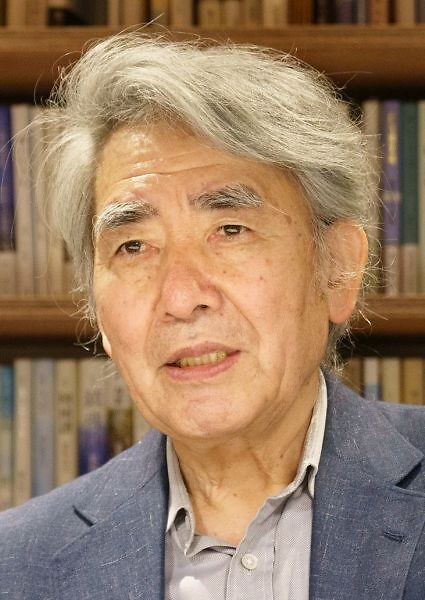
Kazuhiro Nagata, Director General, JT Biohistory Research Hall, Takatsuki (Osaka)
■Abstract■
Approximately one-third of newly synthesized proteins, including membrane and secretory proteins, are produced in the endoplasmic reticulum (ER). The ER is equipped with molecular chaperones, redox-active proteins, and other factors required for protein folding and maturation. At the same time, elimination of misfolded proteins through ER-associated degradation (ERAD) is also essential for maintaining ER proteostasis.
Our laboratory has investigated the mechanism that coordinate protein folding and degradation in the ER and has identified several novel factors involved in ER protein homeostasis. Among them, ERdj5 was the first ER-resident reductase to be reported, and we have elucidated the detailed mechanisms of ERdj5-mediated ERAD. ERdj5 is not only the key molecule for ERAD but also plays critical roles in redox regulation and calcium homeostasis within the ER. We have uncovered the mechanism how reducing equivalents are supplied into the oxidizing environment of the ER through ERdj5 as well as the regulation of the calcium pump and the calcium channel by ERdj5. These findings demonstrate that crosstalk among protein quality control, redox regulation, and calcium flow is essential for maintaining ER homeostasis.
Recently, we found that ERAD-related proteins, including BiP and ERdj5, undergo liquid-liquid phase separation to form distinct droplet structures, which was named here as “ERAD body.” The ERAD body serves as a platform that facilitates ERAD by concentrating misfolded proteins and other ERAD-related components.
■Keywords■
molecular chaperone, ER-associated degradation (ERAD), ERdj5, LLPS
Contact
Eriko Okamatsu, Yamamoto Unit RUA
Subscribe to the OIST Calendar: Right-click to download, then open in your calendar application.