



【Seminar】RNF213, a multifunctional ubiquitin ligase: From cellular stress responses and innate immunity to vascular occlusive diseases
Date
Location
Description
■Speaker■
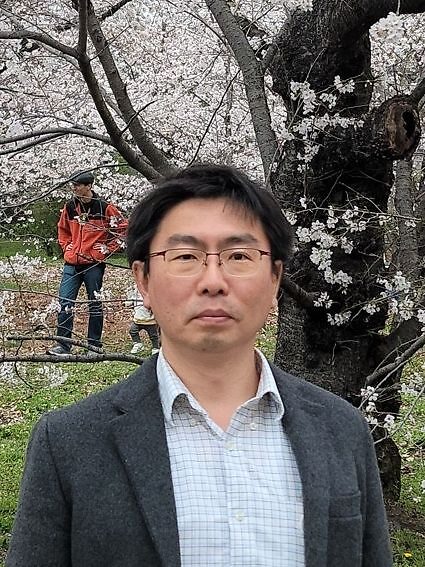
Dr. Tohru TEZUKA, Program-Specific Senior Lecturer, Graduate School of Medicine, Kyoto University
■Abstract■
Ring finger protein 213 (RNF213) was initially identified as a major susceptibility gene for moyamoya disease (MMD), a cerebrovascular disorder characterized by progressive arterial stenosis and abnormal collateral vessel formation. RNF213 variants are also associated with other vascular occlusive diseases, including pulmonary arterial hypertension and large-artery atherosclerosis. However, the molecular mechanisms linking RNF213 dysregulation to vascular occlusion remain poorly understood.
RNF213 is a large multifunctional protein with AAA+ ATPase and E3 ubiquitin ligase activities. In addition to its roles in tumorigenesis and lipid metabolism, RNF213 is an important regulator of innate immunity, mediating ubiquitination-dependent defense against microbial pathogens. A recent study has further revealed that RNF213 mediates the ubiquitination and autophagic clearance of abnormal glycogen. Our recent work demonstrated that RNF213 regulates cellular responses to palmitate, a major saturated fatty acid, including apoptosis, the unfolded protein response, NF-B signaling, autophagy, and oxidative stress responses. These responses depended on both the AAA+ ATPase domain and the RZ-finger domain, which mediates E3 ubiquitin ligase activity. Notably, MMD-associated RNF213 mutations enhanced palmitate-induced signaling responses.
This seminar will explore the expanding biological functions of RNF213 and discuss how altered lipid-induced signaling, together with its roles in cellular quality control and innate immunity, may contribute to RNF213-related vasculopathy.
■Keywords■
RNF213; ubiquitination; cellular stress responses; lipotoxicity; vasculopathy
Contact
Eriko Okamatsu, Yamamoto Unit RUA
Subscribe to the OIST Calendar: Right-click to download, then open in your calendar application.